Creating a simpler way to buy cars online.
Role:
UI Design
Team:
UI | UX | Product/Delivery | Engineering
Agency
Somo
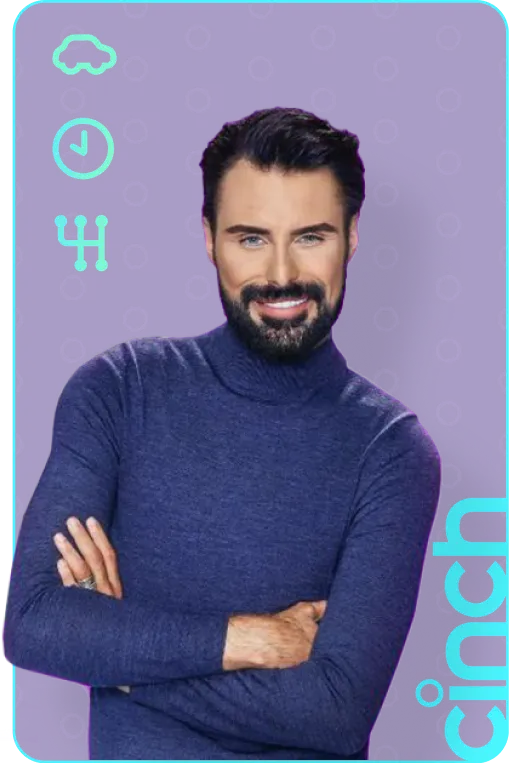
Plus A National Launch Already On The Calendar.
British Car Auctions (BCA) wanted to launch an entirely new consumer-facing-car-buying platform, and they wanted it live in just six months.
The goal was to create a platform that took the pain out of the car purchase process for customers who were unsure of what vehicle they needed or wanted.
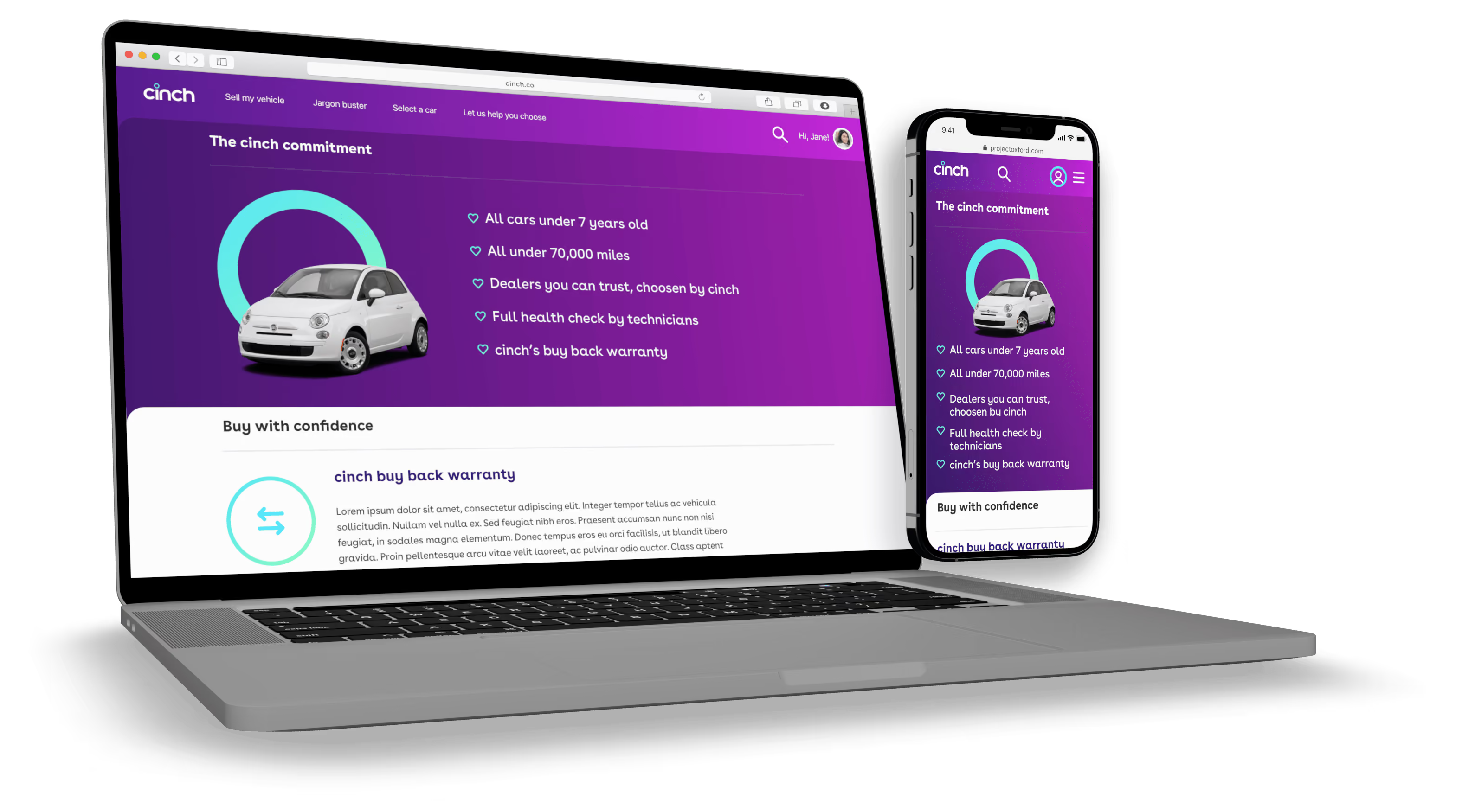
I joined the team as one of two UI Designers. Our job was to translate Cinch's newly created visual identity into a robust, easy-to-use consumer product.
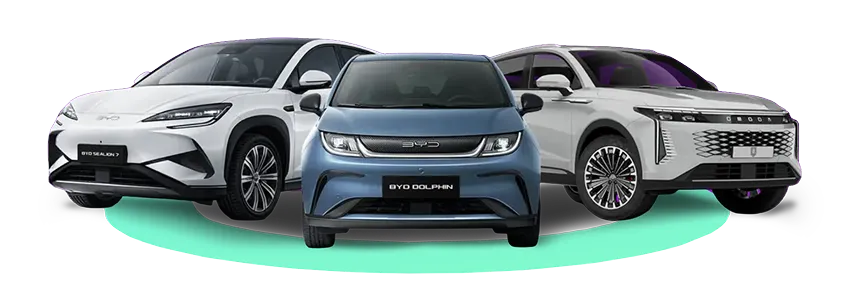
The Cinch brand arrived almost fully formed. Core elements such as colour, typography, iconography and tone of voice were largely established, along with a handful of examples showing how the brand might behave online.
However, these examples only scratched the surface of the web experience. The core product was yet to exist.
The design team needed to approach the project pragmatically to ensure quick progress. Our UX specialists worked through the experience in deliberately neutral wireframes, allowing the UI effort creative freedom to translate these blank canvases into something that felt unmistakably Cinch.





As new parts of the experience took shape, the UI language had to grow with them.
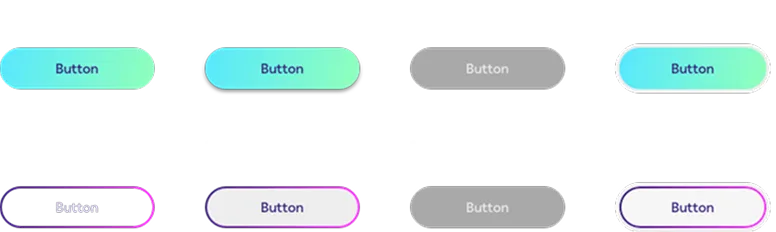
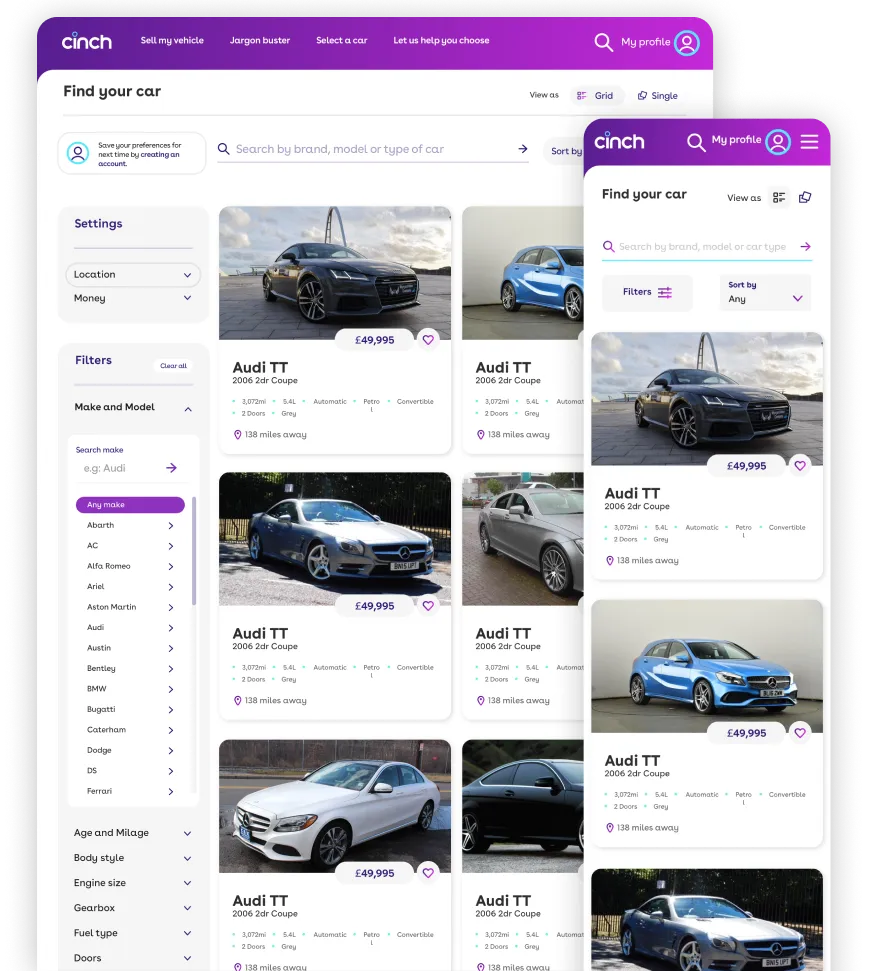
As part of the UI effort we established a shared library that formed the foundations of a design system. We identified reusable patterns across navigation, cards, search, empty states to name a few.
Work was divided across different flows, but we didn't work in rigid territories. If one of us established a pattern or approach, we'd generally maintain ownership of that area, however, the other could adapt and apply that thinking elsewhere.
The important part was that Cinch still felt like one cohesive product.
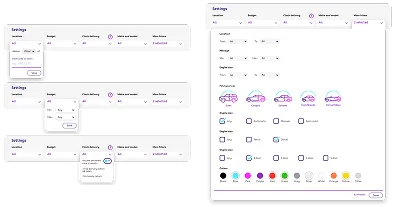
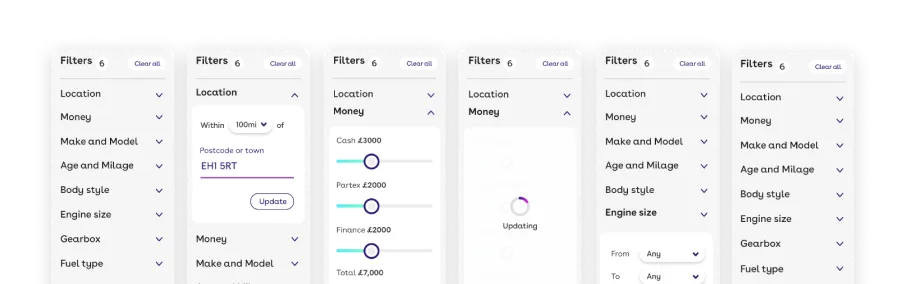
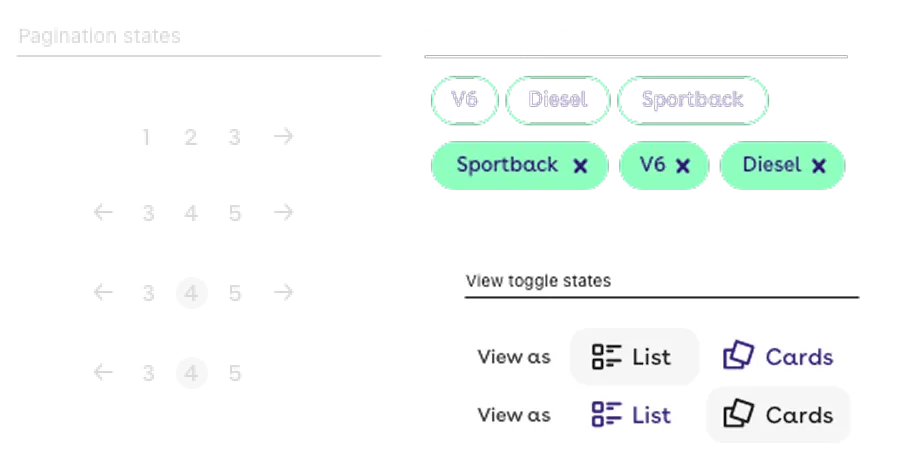
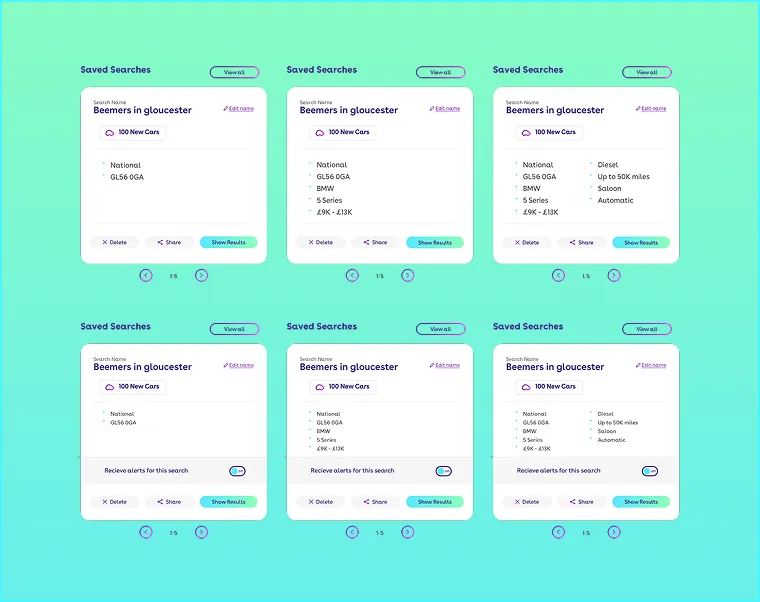




As the product grew, it inevitably surfaced challenges that the original brand work couldn't answer.
Sometimes this meant adapting existing patterns. Sometimes it meant creating something new.
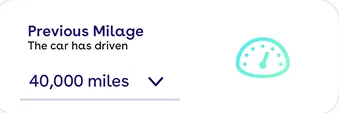
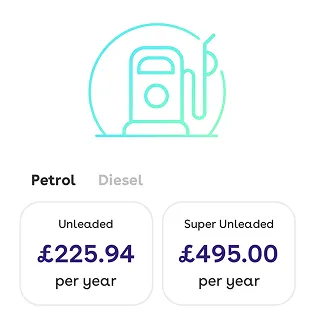
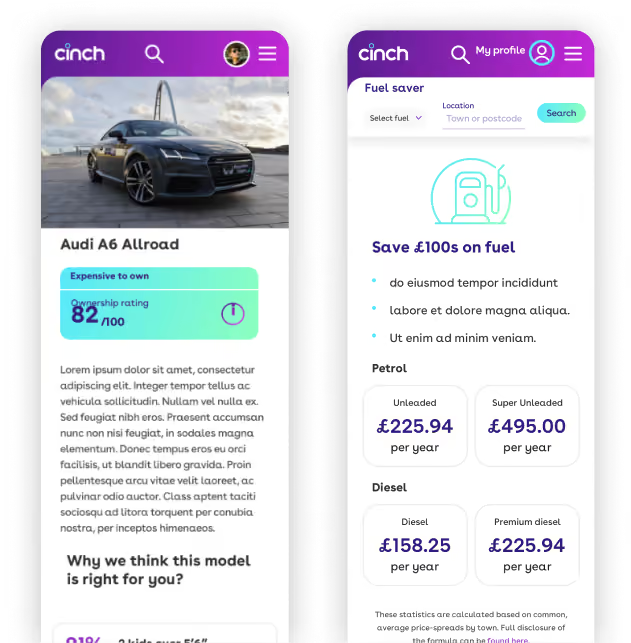
For example, while the existing iconography suite was extensive, it wasn't designed to work at larger sizes or cover some of the more specific automotive themes the product required.
I expanded the library with additional icons in the established Cinch style, alongside simple illustrations designed for larger-scale use.
These additions extended the visual language while still feeling unmistakably Cinch.
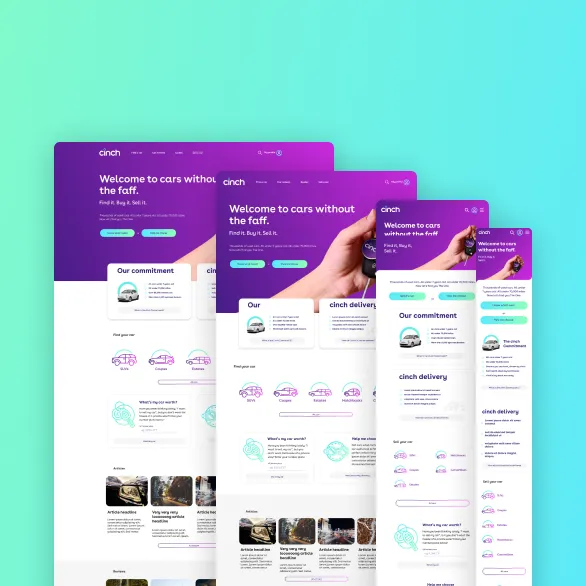
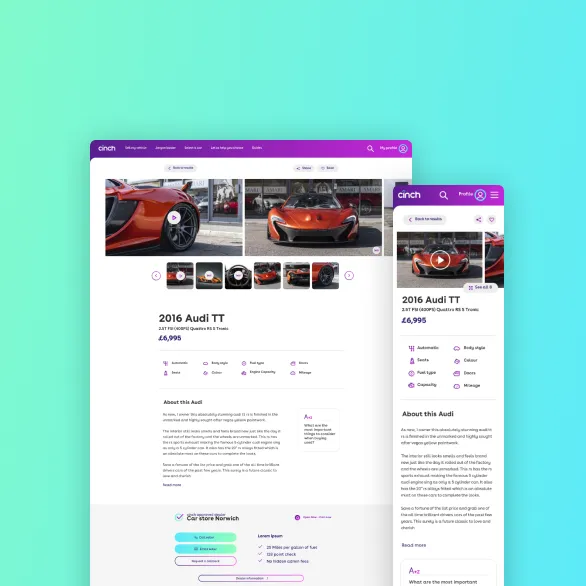
Across the span of the project we worked through a huge number of interconnected customer flows, from Profile and account management to Listings, Vehicle profiles & fuel finder
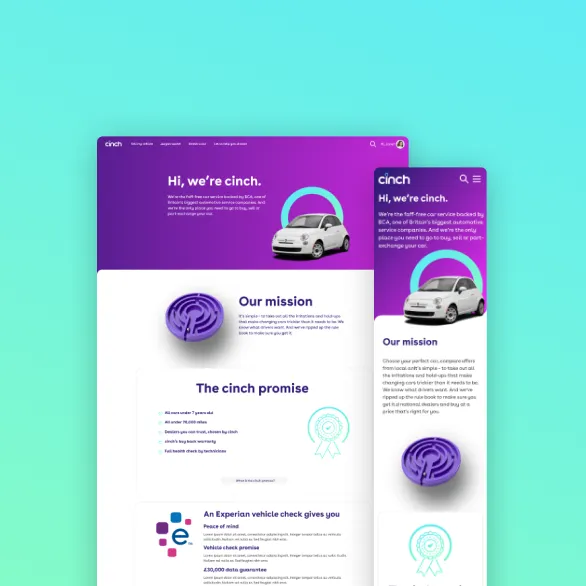
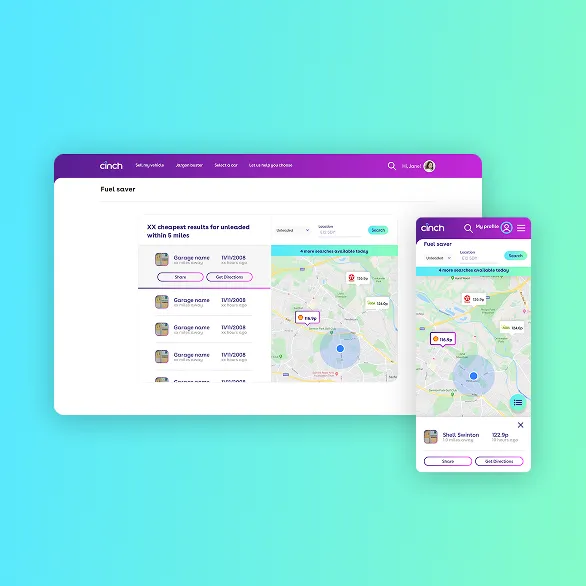
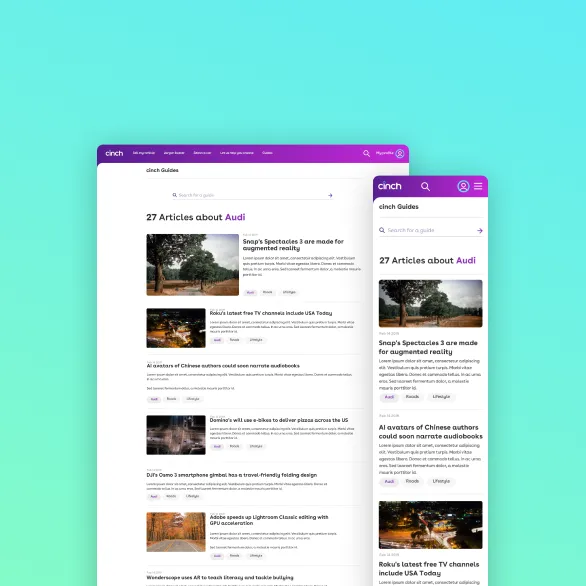
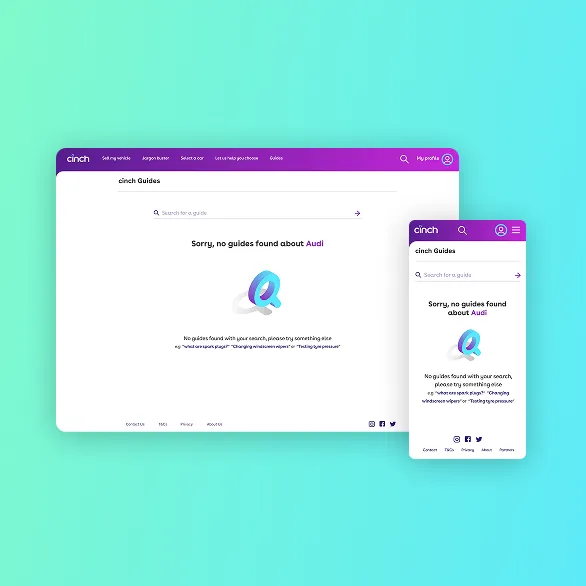
This only scratched the surface.
we weren't just applying the brand to wireframes. We were stress-testing the visual language by applying it to scenarios that hadn't yet been considered.
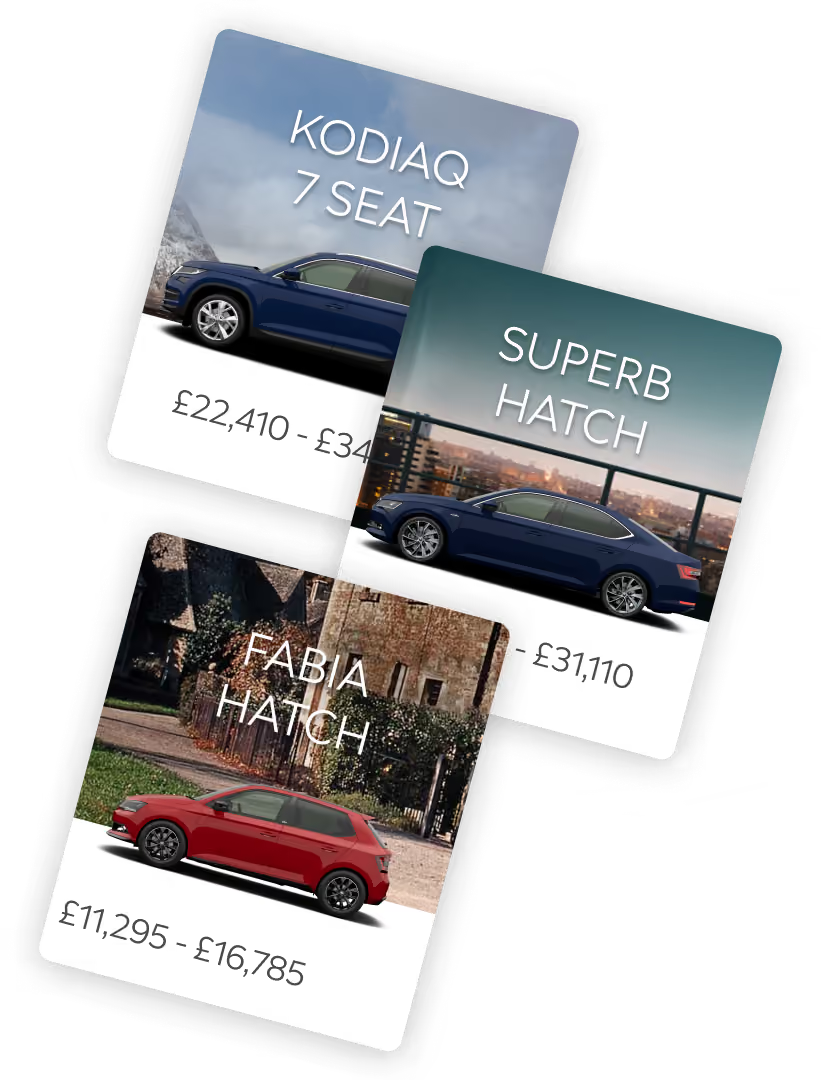
Buying a car is relatively straightforward when you already know what you're looking for. But for customers without a particular make or model in mind, the sheer number of options can quickly become overwhelming.
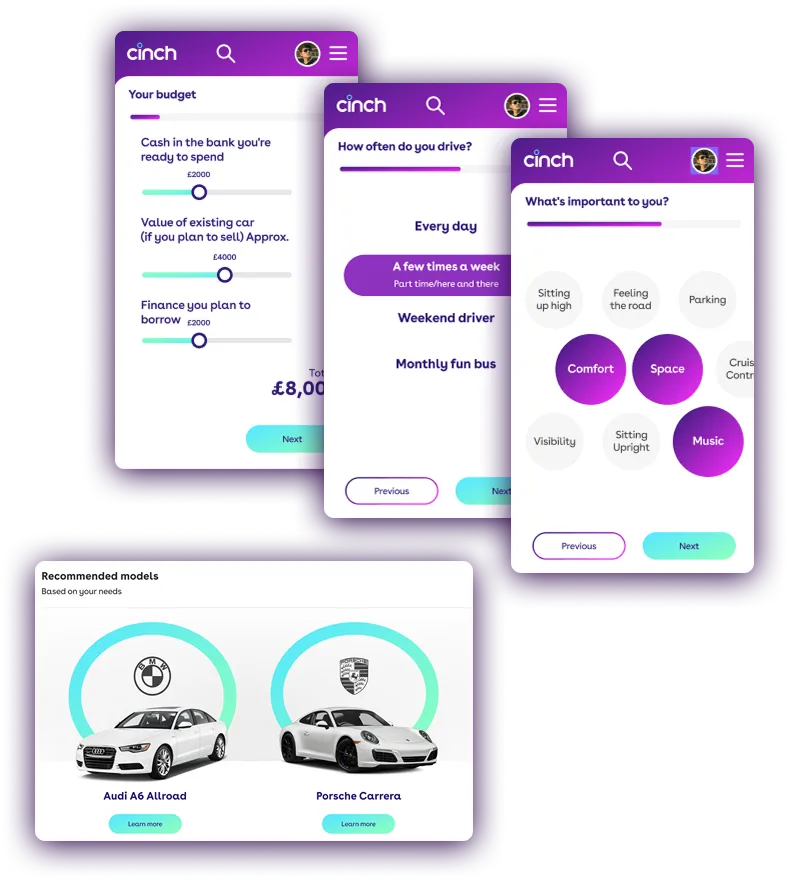
Cinch’s main ambition was to make that process less stressful. This led us to develop a concept for the Lifestyle Matcher. An alternative way into the car-buying journey for people who needed more guidance.
Rather than beginning with make, model or technical specifications, the experience started with the customer: their budget, driving habits, lifestyle and priorities. We explored whether understanding those factors first could help Cinch guide customers towards vehicles that suited the way they actually lived.
Developed as part of the future product roadmap.
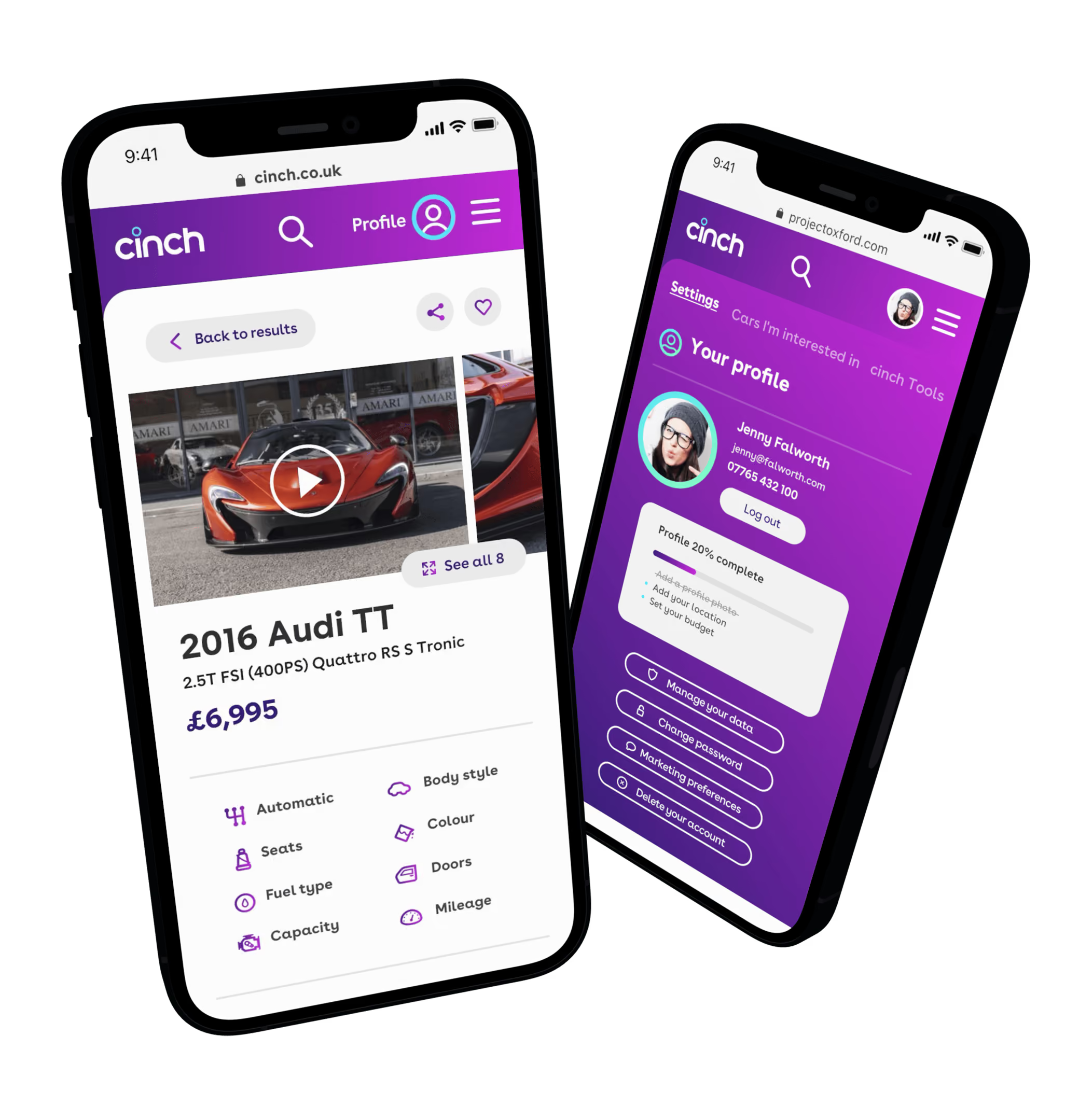
Cinch launched alongside a national advertising campaign just six months after the project began.
In its first three months, the platform recorded:
Visits
Dealer interactions
Unique visitors
New profiles
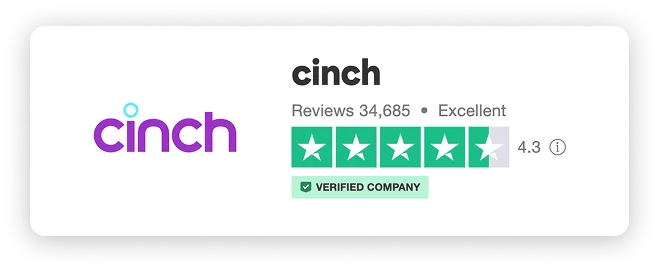
Cinch was first-of-its-kind proposition, built by a small team in an incredibly short amount of time.
However, what made the project memorable to me isn't just what we built, but how we built it. We had a genuinely collaborative team, a great relationship with the client and the freedom to work things out together as the product evolved. The result was a visual language that was flexible enough to keep working even as Cinch continued to grow.
Even today the core Cinch product is still incredibly close to our original vision.